America Is at War and Gas Prices Are Up—What Does That Mean for You?
Story by Judah Hillman. Photo courtesy of The Economic Times.
On February 28th, 2026, the United States and its ally, Israel, attacked Iran under Operation Epic Fury, a direct order from President Donald Trump to “[strike] targets to dismantle the Iranian regime’s security apparatus, [and prioritize] locations that pose an imminent threat.” Although this international dilemma may seem insignificant to some Americans, many others worry that the price of common essentials, including utilities and gas, will be affected by this war. Many Americans are also left wondering: what is the best way to voice their concerns about this war?
Examining the Growing Controversy
The President’s direct order to strike Iran is considered by many to be unconstitutional because the act of war did not have congressional approval. The U.N. Charter also prohibits the use of force against the territorial integrity or political independence of any country.
So far during this conflict, the U.S. has taken action to dismantle Iran's nuclear missiles and destroy the Iranian navy, with the ultimate goal of permanently denying Iran the ability to possess nuclear weapons.
This isn’t the first time that the U.S. has tried to eliminate the Iranian nuclear program. In 2015, during Obama’s presidency, Iran agreed to end their nuclear program under the Joint Comprehensive Plan of Action (JCPOA) or “Iran nuclear deal,” signed by the United States and Iran. During Trump’s first presidency, he withdrew the United States from the agreement, prompting Iran to resume its nuclear program. However, The American Friends Service Committee, an organization dedicated to social justice and peace, explained that Iran no longer has a nuclear weapons program as of January 2026 because many nuclear weapon facilities and reserves were eliminated during an attack carried out under the Trump administration in 2025. Furthermore, Iran does not currently possess a long-range missile that could reach the United States, according to a 2025 assessment from the Defense Intelligence Agency.
Trump’s decision to withdraw from a treaty that prevented Iran from building nuclear weapons, only to later attack the country for supposed possession of nuclear capabilities, has led many Americans to question the Trump administration’s intentions with this war, raising controversy across the media. Contributing to the growing controversy is the U.S.’s decision to spend billions of tax dollars to fund a war abroad, when that money could have benefited Americans in the U.S. by funding Medicare, the Supplemental Nutrition Assistance Program (SNAP), and many defunded organizations that dealt with climate change, labor, gender equality, and international development.
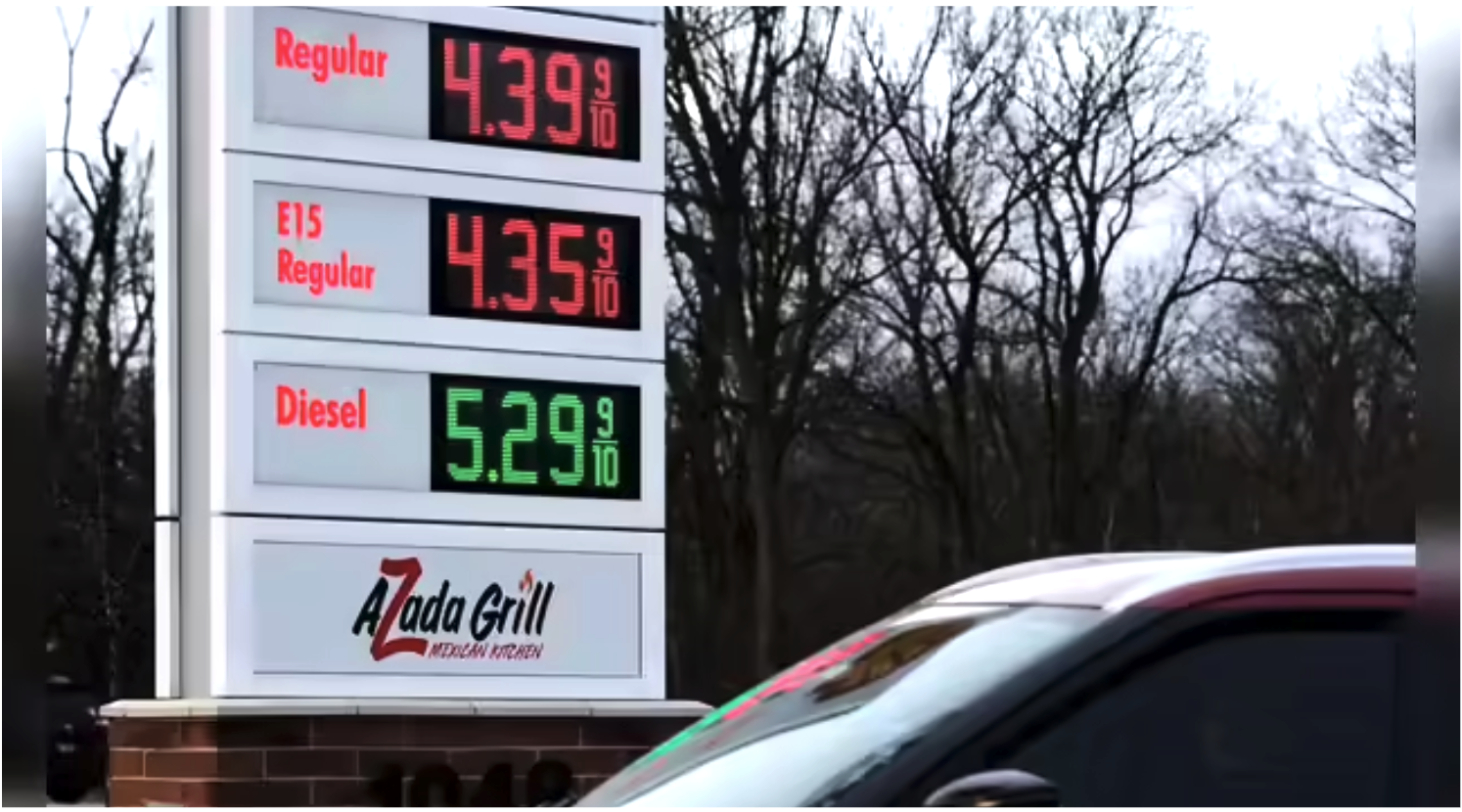
Gas prices have been rapidly soaring due to the ongoing conflict after Iran threatened to bomb any ships that pass through the Strait of Hormuz, through which 20% of global liquefied natural gas (LNG) and seaborne trade must pass. This led insurance companies to refuse to insure any ships who chose to sail through the Strait. Despite existing U.S. military plans that warned of the potentially detrimental effects of instigating conflict with Iran, The United States’ chose to attack Iran, which predictably led to a blockade on Iranian ports and an eventual closure of the Strait of Hormuz on April 18th, 2026.
The closure of the Strait of Hormuz made a large percentage of the world's oil inaccessible, while demand for oil remained unchanged. As a result, global energy prices began to skyrocket, leading to shipping costs and delays. This will ultimately affect not only gas prices, but also the price of imported goods, because when the cost of shipping increases, the prices of products rise as well. Most utilities in American homes require gas, so it is expected that electrical and heating bills will also steadily increase in response to the rise in oil prices.
How You Can Prepare for the Impacts of War with Iran
Despite this controversy, this is what you need to do to prepare for the worst:
Make Adjustments to Your Commute: Carpooling with friends is more cost-efficient than driving alone. For shorter trips, try riding a bike or electric scooter. If you have access to public transit, take the bus or train instead of driving.
Stock Up On Key Essentials:It’s also important to stock up on essential goods to prepare for rising costs over the next few months. Trump has stated that the war with Iran will be “short term,” but George W. Bush initially promised a short term solution to the conflict with Iraq, only for the war to conclude over a decade later. The price of imported goods has risen from this war, so it's recommended to shop at your local shops and stock up in advance to limit the impact of high prices and potential war-related shortages on your household.
Save On Your Utilities: Adopt good habits in your household to combat rising prices. Adjust your thermostat closer to the outside temperature in order to combat higher oil prices, and conserve electricity so you won't place a strain on your utility bills.
Advocate For The End of the War:It is crucial to share your concerns about this war, as surveys reveal that a majority of American citizens do not approve of this unexpected conflict. Protest against the war, raise awareness on social media, and contact your local U.S. Senators and Representatives to block funding and vote against military action. Join advocacy or support groups to peacefully protest on the matter, and make your voice heard!
Most importantly, make smart lifestyle changes to help you and your family remain safe and resilient during this time of crisis. Together, we can stay strong in the face of uncertainty.
Judah Hillman is a senior at Friendship Technology Preparatory Academy.