The Cost of Calling People Out: Rethinking Cancel Culture
Commentary by Zyaire Hardy. Photo courtesy of Katie Couric Media.
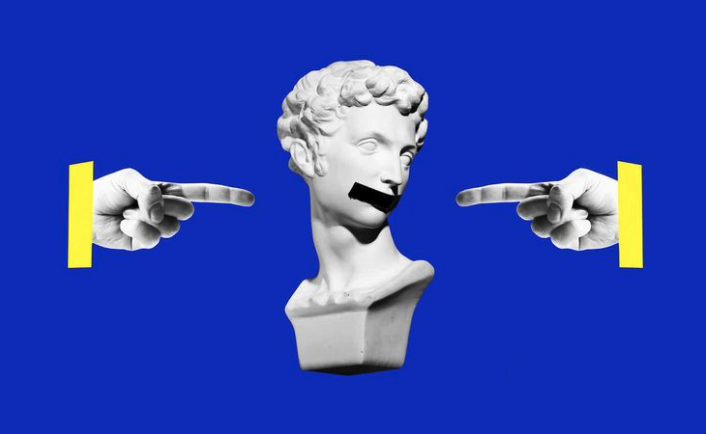
Cancel culture is, and has been, a topic on social media. It happens when people get called out or canceled for their opinions, or things they’ve said or done, that people find offensive. Sometimes fans do it to hold people accountable, but more often than not, it turns into publicly shaming people and goes way too far. Many people lose their jobs, friends, or followers because of something they said years ago on the internet. I think cancel culture can be unfair, because now people are so sensitive and you have to sugarcoat everything, you can’t make mistakes, and people like to shame people rather than helping them learn from their mistakes.
Huda Mustafa, a controversial Love Island cast member, was a problematic figure both during and after her season. She gained popularity not just for her time on the show, but also for a livestream where she was caught laughing after a child used a racial slur towards another cast member. The live video quickly spread and led to major backlash on her end. Immediately after, the makeup brand Huda Beauty ended their partnership with her, saying her behaviour didn’t reflect their values. The situation shows how fast cancel culture works. One moment can lead to something bigger than you, even if it was misunderstood. People focused more on what she did rather than her apology and personal background.
People need to think carefully before joining in on a trend to cancel and hate on someone online. People like to just jump and judge someone or something they did before they learn the full story, and instead of giving people a chance to apologize and improve, because we're all human. If more people did this, cancel culture would become less about hate and more about learning from mistakes. In the future, I think people will realize how hurtful and degrading cancel culture was.
Zyaire Hardy is a senior at Friendship Collegiate Academy.